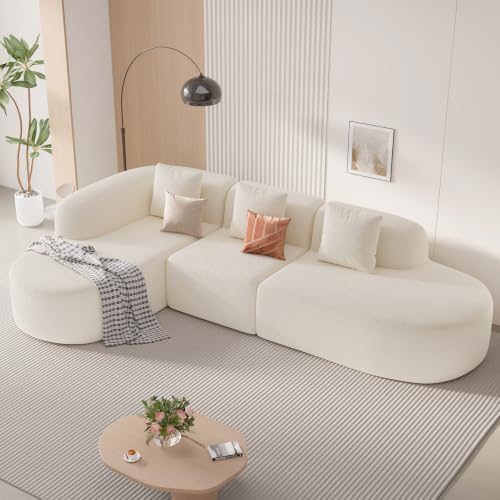
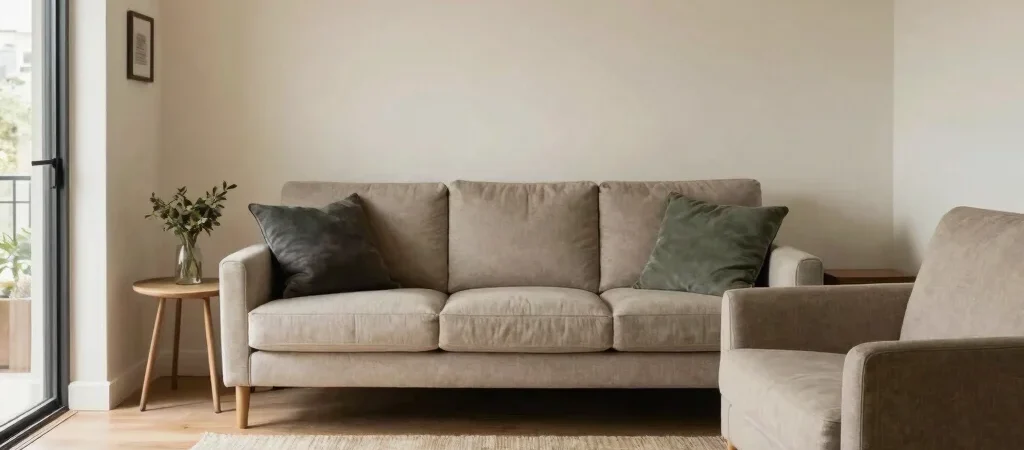
A living room can look balanced in a floor plan and still feel awkward on a Tuesday night, when someone is carrying tea through the room and everyone else is trying to settle in. Before moving furniture, notice where people walk, where they naturally pause, and which seats are actually used. A useful layout makes those routines easier without making the room feel arranged for display.
Begin With The Main Path
Keep the route between the doorway and the room’s main destinations clear, whether that means reaching the kitchen, a balcony, or the sofa. In a narrow rental, that may mean pulling a coffee table closer to the seating and shifting a chair away from the walkway rather than trying to fit in another piece. Leave enough space to move comfortably; the right amount depends on the furniture and the people using the room.
Then arrange seats so conversation feels natural. A sofa and one chair turned slightly toward each other often work better than every piece lined up against the walls. If the room is used for television as well, angle the seating to serve both purposes instead of letting the screen dictate every decision.
Give Each Piece A Job
A side table earns its place when it gives a reading lamp, a glass of water, or a book somewhere to land. In a compact room, a storage ottoman can serve as a footrest and a place to tuck away blankets, while a slim console may provide a drop zone without crowding the main seating area. Think about what an item makes easier, not just what it fills.
Scale matters as much as function. A small rug that barely reaches the front legs of the sofa can make a seating group feel disconnected; a larger rug that lets key pieces relate to one another may feel calmer. If replacing the rug is not practical, try repositioning the furniture first and see whether the existing pieces read as one group.
Finish With A Lived-In Layer
Once the layout works, add a few elements that soften the room without taking over: a lamp for evening light, a throw within reach, or a tray that gathers smaller objects on the coffee table. These details are most useful when they support how you already live. A clear surface beside the sofa may be more valuable than another decorative object.
Take a photo from the doorway after you make a change. It can reveal blocked routes, crowded corners, or an empty stretch that is easy to miss while standing in the room. Keep the arrangement that feels comfortable in motion, not only the one that looks composed from a single angle.